Skip to Content
  •  (336) 857-2131
Toms Creek
  • 0
  • 0
  • Sign in


  • Contact Us


  • Home
  • About Us
  • Browse the Plants
  • Events
  • Help
  • Landscaping
    • 3D Design
    • Water Features
    • Hydroseeding
    • Tree Moving
    • Pavers
    • Stonework
    • Maintenance
    • Irrigation
    • Lighting
    • Residential
    • Commercial
  • Nursery
    • Weddings and Events
    • Plants Database
  • Employment
Toms Creek
  • 0
  • 0
    • Home
    • About Us
    • Browse the Plants
    • Events
    • Help
    • Landscaping
      • 3D Design
      • Water Features
      • Hydroseeding
      • Tree Moving
      • Pavers
      • Stonework
      • Maintenance
      • Irrigation
      • Lighting
      • Residential
      • Commercial
    • Nursery
      • Weddings and Events
      • Plants Database
    • Employment
  •  (336) 857-2131
  • Sign in


  • Contact Us


  1. All products
  2. Johns Elderberry - Sambucus canadensis 'Johns'
  3. All products
Pricelist: - Pricelist
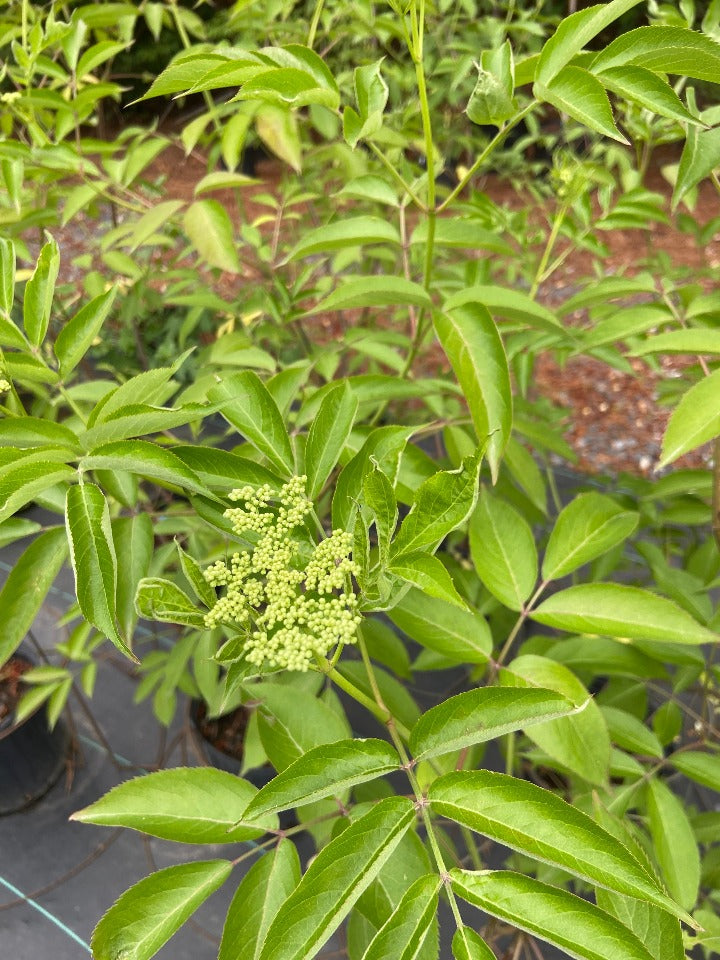
Johns Elderberry - Sambucus canadensis 'Johns'
Johns Elderberry - Sambucus canadensis 'Johns' - image 2

Johns Elderberry - Sambucus canadensis 'Johns'

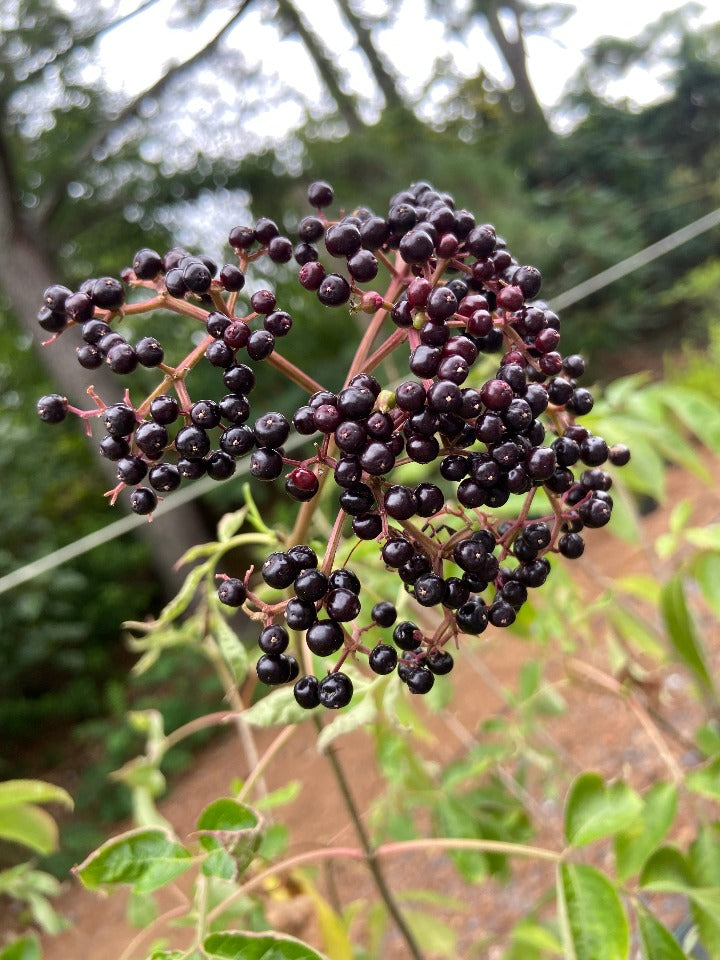
Johns elderberry produces large clusters of fruit. It is a woody, deciduous shrub or small tree, 5 to 12 feet tall and 6 to 10 feet wide, that is native to North America, Venezuela, and Brazil. It is a member of the Adoxaceae (muskroot) family. It can be found in all areas of North Carolina along streams, marshes, moist forests, and disturbed areas. The genus name may be derived from sambuco , the Italian word for the elder bush. Johns elderberry tolerates a wide variety of wet to dry soils but prefers rich, moist, slightly acidic soil in sun to partial shade. Plants will spread by root sucker and will form thickets if the suckers are not removed. In summer, small white flowers are borne in dense clusters. Flowers are followed by a purple-black drupe that is produced in drooping clusters from late summer to fall. The drupe is an edible fruit and when cooked can be used in pies, pancakes, and jellies. Elderberry flowers and fruits are used in winemaking. Wildlife also enjoys fruits, and the arching branches provide a habitat for nesting birds. Dark Berries in Late Summer. * Two varieties are best for fruit production and pollination Ornamental Characteristics Category Flowering Shrub Environmental Characteristics

fall planting full sun partial shade 5G deciduous pollinator plant elderberry Sambucus canadensis native shrub wildlife habitat Piedmont NC native Johns elderberry edible berry fruit shrub hedgerow
$ 50.00 $ 50.00
  • Size
  • Latin Name
  • Foliage Type
  • Height
  • Spread
  • Shape
  • Primary Foliage Color
  • Seasonal Foliage Color
  • Flowering Season
  • Flower Color
  • Growth Rate
  • Sun Preferences
  • Water Preferences
  • Cold Hardiness Zone
  • Fruits
Contact Us
​

Specifications

Size 5 gallon container
Latin Name Sambucus canadensis 'johns'
Foliage Type Deciduous
Height 5-12'
Spread 6-10'
Shape Upright
Primary Foliage Color Green
Seasonal Foliage Color Sheds leaves in the Autumn
Flowering Season Spring
Flower Color Pinkish-white
Growth Rate Average
Sun Preferences Full Sun and Partial Shade
Water Preferences Average : Ensure planting area provides adequate drainage
Cold Hardiness Zone 3-9
Fruits Purple-black

6454 Old NC Highway 49
Denton, NC 27239

 ​
  • +1 336-857-2131